The Definitive Guide to
NoMad Office Lofts.
A field guide to a neighborhood whose name is younger than most of its tenants — where the boundaries have never been agreed, what the showroom trade left behind, and why the label on a listing changes the rent.
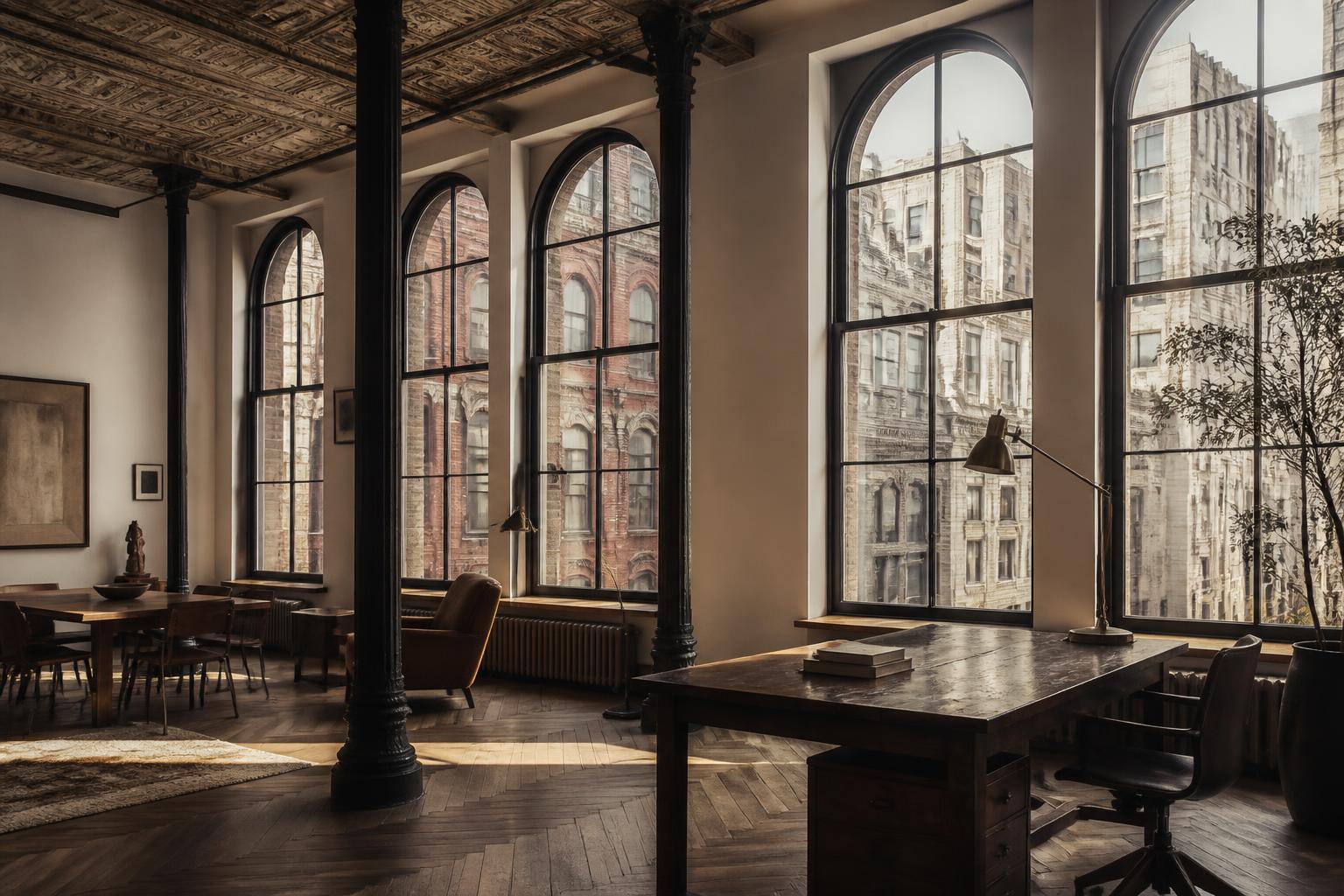
A name from 1999 on buildings from 1900
Most neighborhoods in this network are defined by what their buildings are. NoMad is defined by what it is called, and that is genuinely unusual.
The name has only been in use since 1999, for the blocks north of Madison Square Park. It took hold after the hotels arrived from 2009. And in all that time nobody has agreed where it ends. A newspaper piece in 1999 drew it from 23rd to 34th between Madison and Second. A book two years later drew it from Sixth to Park. A magazine in 2010 drew it Broadway to Park. Common usage today is tighter than all three. Every one of those definitions is still in circulation right now.
Which has a consequence that costs tenants real money: the same floor can be marketed as NoMad, as Flatiron, or as Midtown South depending on who is selling it — and it will carry a different asking rent under each name. The building has not changed. The label has, and rents are compared within labels.
So the first question on any tour here is not about the building at all. Ask what else this space has been marketed as, and what it went for under that name.
Built to show things, not to make them
From the 1870s through the 1920s these blocks were the city's gift, toy and novelty showroom district. Buyers came from across the country to see samples, write orders and go home. 225 Fifth Avenue opened in 1904 as the Gift Building; 200 Fifth was completed a year later and became the International Toy Center, the address the American toy industry ran through for most of the twentieth century.
That purpose explains the buildings exactly. A showroom floor needs daylight, an open plan without obstructions, a decent entrance and a lift that carries people. It does not need heavy floor loads, a freight shaft sized for machinery, or a loading dock.
So what you get is high ceilings, very large windows, generous column bays — buyers had to see a whole collection at once — and light from more than one side. What you frequently do not get is weight capacity. A room with fourteen-foot ceilings and cast-iron columns is not automatically a room that will take a press, a kiln, or dense filing. Get the rating in pounds per square foot in writing.
The other thing worth knowing is what happened around all this. West 28th Street between Fifth and Sixth was Tin Pan Alley, where American popular music publishing was concentrated. The original Madison Square Garden stood at Madison and 26th until 1925. The 1913 Armory Show introduced modern art to America a few streets east. None of it changes a floor plan, but it explains why the streetscape is worth preserving and why so much of it was.
What conversion left behind
After the Second World War the trade moved on. The ground floors filled with wholesale t-shirts, luggage and perfume; the upper floors went cheap, and photographers, designers and small publishers moved in because nobody else wanted them.
In 2001 the Landmarks Preservation Commission designated the Madison Square North Historic District — roughly ninety-six buildings between about 24th and 29th Streets, Broadway to Madison. From about 2009 the hotels arrived, the name took hold, and a large share of the loft stock was converted to hotel and residential use.
Two things follow, and both matter more than the history does.
The commercial supply is smaller than the streetscape suggests. A lot of what looks like loft buildings from the sidewalk is now hotel rooms and apartments above a commercial base.
And a great many buildings are now mixed-use. Hotel or residential floors above or below yours change your neighbours, your access hours, your lift sharing and what the building will tolerate after six. That is not necessarily worse — it is a completely different daily experience, and it almost never appears in a listing. It is the single most useful question to ask about a NoMad building.
What to check on a tour here
What else this space has been marketed as. The first question, for the reason in section one. And ask which neighborhood the comparables come from — an asking rent supported entirely by Flatiron comps is telling you about the pitch rather than the market.
What is above you and below you. Specifically whether any part of the building is hotel or residential, and what that means for access hours, the lifts, and what you can do in the evening.
Which side of the historic district line you are on. The district covers some of the neighborhood, not all of it. Inside it, anything touching the facade, storefront, signage or rooftop equipment goes through Landmarks review before a permit can issue. Interior work is unaffected. It is a schedule item, not a blocker — but it is a schedule item you need to know about on day one.
Floor load, in writing. Showroom buildings, showroom ratings. See section two.
Freight, and whether there is any. Much of this stock runs a single cab doing passenger and goods duty, booked around daytime traffic. Ask what it carries in pounds, whether there is a dedicated freight car at all, and how deliveries are scheduled in a building that also serves a hotel.
Loss factor on the specific floor. Not the building average. In buildings carved up around later conversion, the corridor and shaft geometry is genuinely irregular and it moves floor to floor.
Loading, and the pedestrian plaza. Broadway between 25th and 27th is closed to vehicles — pleasant to walk, unhelpful to load. Ask where a truck actually stops for your building and go and look at that spot on a weekday afternoon.
What tenants ask us about most
How much is a floor here? Roughly $55–$88 per SF per year — intact upper floors in unrepositioned buildings at the low end, rebuilt and pre-built space well above it. Ask what the loss factor is on the specific floor, what is above and below you in the building, and what else the space has previously been marketed as before you compare two numbers.
Why does the neighborhood label change the price? Because the boundaries have never been agreed. The name has only existed since 1999, and four different published definitions are still in circulation. The same floor can be listed as NoMad, Flatiron or Midtown South depending on who is marketing it, at a different asking rent under each. Ask what else this space has been marketed as, and what it went for under that name.
Can I do studio work or light production? Photo, post-production and design work, yes. Anything heavier runs into three things at once: these were showroom buildings so the floor loads are modest, freight is small and loading is genuinely hard, and a growing share of buildings now have hotel or residential neighbours. Get hours, loading and permitted use into the lease rather than relying on what the last tenant did.
What's the honest catch with NoMad space? You are paying for a name applied in 1999 to buildings from a century earlier, marketed hard since 2009. If the address does work for your business that premium is real value. If it does not, two streets in a different direction gets you the same era of building under a less fashionable label at a lower rent. The other catch is that conversion to hotels and residential has thinned the commercial supply and changed what many buildings will tolerate.
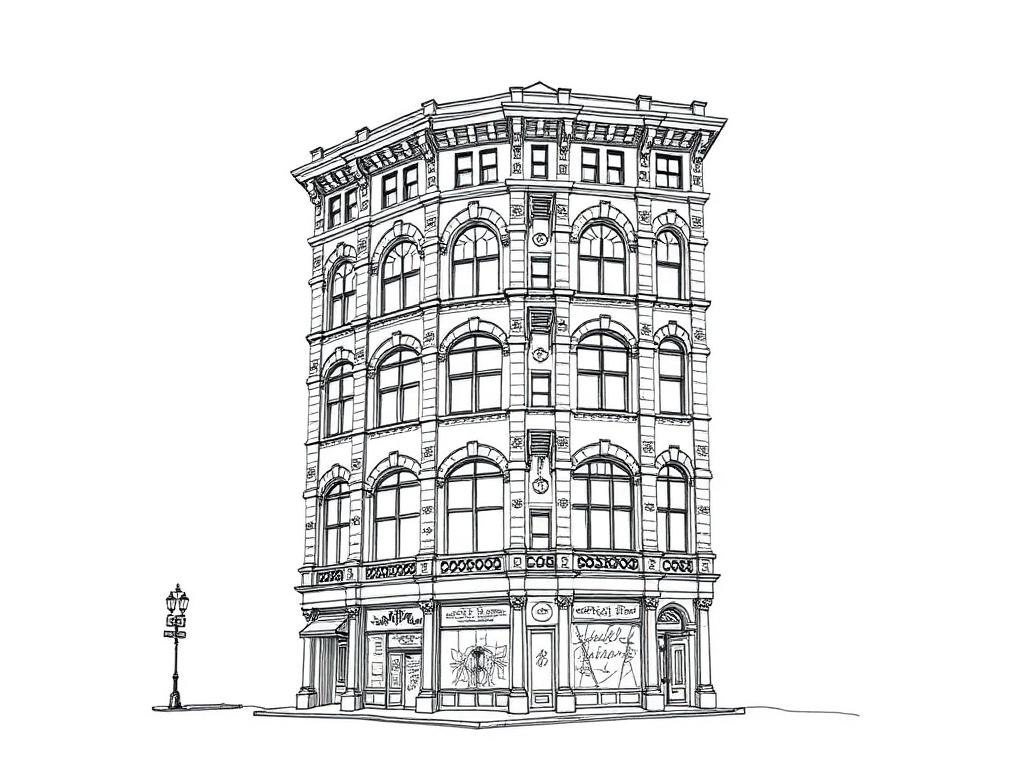
Immediately south, and the same building era. Better repositioned, more competition for every floor, and priced accordingly.
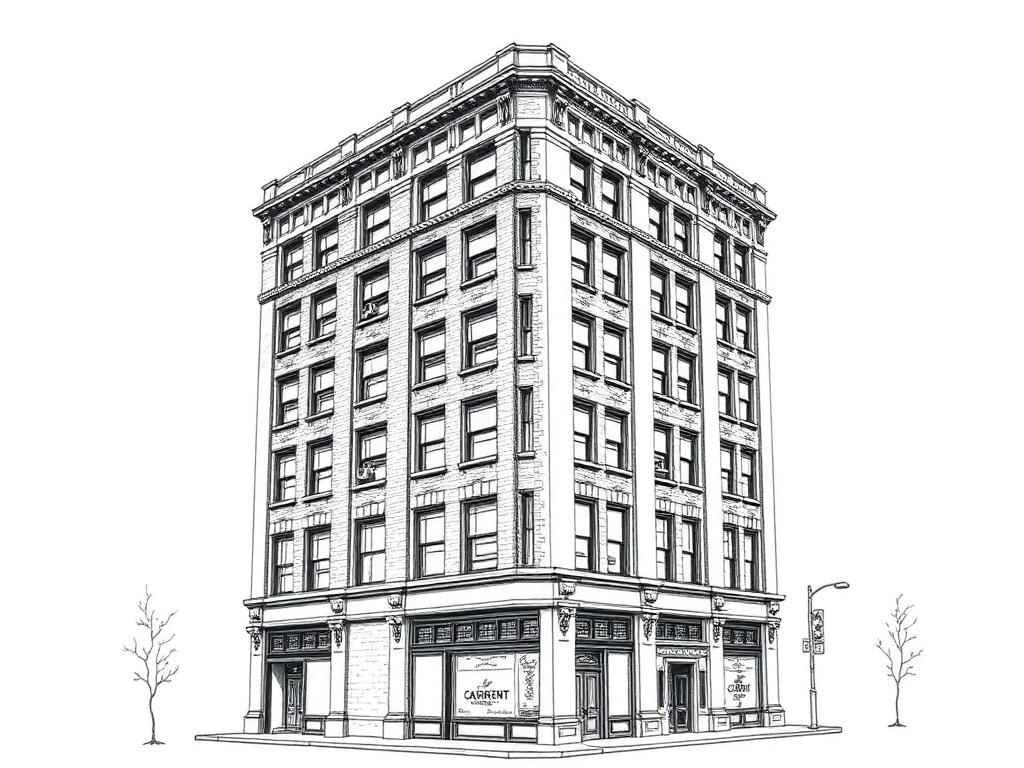
Just north. Same 1920s steel frame, harder street, older systems — and rents well below anything here.
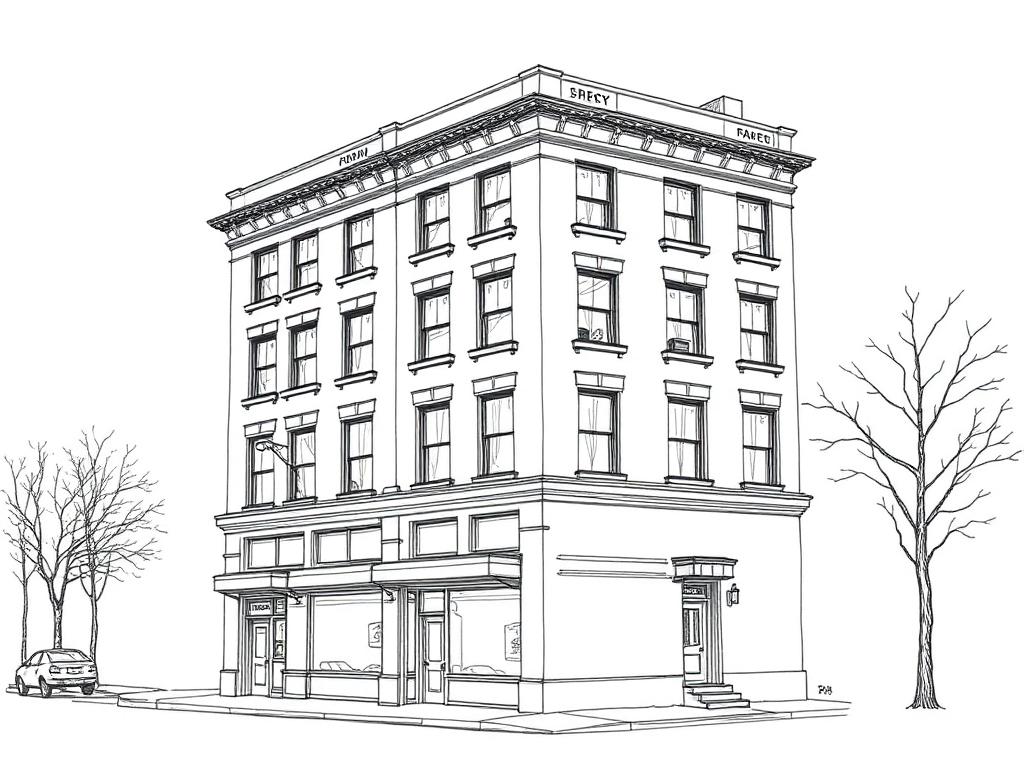
East across Park Avenue South. Quieter prewar avenue floors, more conventional, meaningfully cheaper.
Tell us what you're after.
Seven quick questions. A person reads it. We keep an eye out — including for floors that never hit a listing site.
Start the Brief →